Domestic cases rest at the tense crossway of public security, household dynamics, and the technicians of the criminal justice system. When the cost is linked to a household or intimate connection, the path to a bail bond frequently looks various from a garden‑variety property criminal offense. Judges bring sharper analysis, prosecutors press for more stringent conditions, and bail representatives weigh risk with a better range. I have actually seen people stroll into an arraignment anticipating a regular bond and go out with a no‑contact order, a GPS monitor, and a court date established weeks out. Others are denied bond outright until the court collects even more info. The difference is not mysterious if you recognize just how decision makers assess residential situations.
This article looks under the hood. It explains what courts and bail bond companies in fact evaluate in domestic battery, tracking, harassment, and associated situations, why some applicants obtain approved and others do not, and exactly how to prepare for the procedure without misconception or enchanting reasoning. No two areas run the same procedures, yet the core danger elements and choice points repeat across jurisdictions.
What residential ways in this context
Domestic does not just suggest "spouses." The majority of states specify residential incidents extensively. The category normally consists of present or former partners, charming companions, co‑parents, individuals who share a household, and in some cases relatives by blood or marriage. The cost can be labeled domestic attack, battery, strangulation, criminal damage, unlawful imprisonment, tracking, harassment, or protective order infractions. Also pacifist offenses can be treated as domestic if they happen within those relationships.
That label matters. Domestic‑flagged cases bring improved charges and special pretrial guidelines. Judges often tend to impose no‑contact problems as a standard, and prosecutors frequently promote greater bail or electronic tracking. From a Bail Bonds point ofview, domestic flags alter underwriting due to the fact that they modify both the likelihood of reoffending while on launch and the chance of court compliance.
How courts think of pretrial release in domestic cases
Imagine a slider with two tags: danger of not appearing in court, and threat of risk to the area. Domestic situations surge the 2nd slider. The threat analysis activates three concerns:
- Is there an identifiable sufferer who stays in distance to the defendant? Did the occurrence rise from prior incidents, or exists a brand-new pattern forming? What devices exist to decrease risk to an acceptable degree without imprisoning the person pretrial?
In lots of court rooms, a residential battery arraignment begins with a safety order. Judges review the possible reason affidavit for specific allegations: strangulation, use of a tool, risks to kill, injuries calling for medical attention, infractions of previous orders. Strangulation and risks including weapons receive outsized interest because they correlate with future lethality. If there were children existing, or if the officer noted extreme drunkenness, that will factor right into conditions as well.
Where a basic theft might attract a signature bond or low cash bond, a residential cost with reliable violence usually causes a structured launch: no call, no tools property, GPS or SCRAM monitoring, necessary check‑ins, and in some cases a time limit. If there's a documented pattern or the person currently broke a previous order, the court might deny bond briefly, established a high cash bail, or call for in‑person assessment by pretrial solutions before making a last call.
What a bail bond business evaluates
Bail agents do not make moral judgments regarding who should have launch. They finance threat. If the court establishes bail at 15,000, a representative might create a bond for a 10 percent costs, yet just if they think the accused will certainly appear and abide. Residential situations alter several danger variables at once:
- The probability of an abrupt remand. A no‑contact violation, a shock sufferer declaration, or a new accusation can bring about immediate revocation. From the bond business's point of view, that is a threat trigger outside their control. Volatility of the relationship. Domestic cases include the possibility of settlement, which can attract contact in infraction of orders, and the danger of restored conflict. External oversight. Electronic displays and supervised release can decrease risk, yet failure to preserve them can produce sudden warrants. Collateral and indemnity toughness. If the representative sees elevated revocation danger, they may call for more collateral or more powerful cosigners to counter prospective forfeiture.
Agents additionally read police records when available, ask sharp concerns concerning employment and house stability, and try to get to the cosigner. Courts are not the only gatekeepers; the bond company can decline even when the judge authorizes release.
The role of safety orders and no‑contact conditions
Protective orders are not tips. In a residential case, judges generally impose instant, explicit no‑contact terms, usually encompassing text messages, social networks, indirect get in touch with via close friends, or turning up at the very same church, workplace, or youngster's college. Infractions are amongst the fastest methods to get a bond revoked.
Here is where individuals miscalculate. They presume the alleged victim can "permit" call or that a shared reconciliation remedies the order. It does not. The order binds the accused, not the target. Even peaceful get in touch with might be a technical offense. Bondsmen know this. If they hear chatter regarding "working it out" or see the accused on the very same lease as the shielded individual without a strategy to live somewhere else, lots of will stop an approval until real estate is arranged and documented.
Past actions weighs heavily
Prior incidents, also without sentences, carry weight. Prosecutors commonly offer a background of cops phones call to the address. Courts and bond representatives check out that as pattern information. A person without any rap sheet, steady work, and a solitary low‑level residential disorderly conduct may cruise with. Contrast that with somebody that has two protective order violations in the in 2014 and a recent weapons instance. The latter will deal with a steeper climb, regardless of current charge severity.
Substance use enhances danger. Alcohol‑fueled debates are common in authorities reports. If the testimony describes high intoxication or an initial breath examination over 0.15, courts may include conditions like SCRAM alcohol tracking or random examinations. Bondsmen see those as double‑edged: tracking can stabilize risk, yet disobedience can trigger warrants that exchange forfeitures. Representatives will typically ask about therapy registration or previous DUIs to determine diligence.
Children, guardianship, and shared property
Domestic situations frequently intersect with family members court realities. If both celebrations share kids or a lease, the no‑contact order can place the accused out of the home and remove everyday parenting. Judges rarely take exemptions at the initial hearing. They want a breathing period. Over time, lawyers can look for modifications for third‑party youngster exchanges or minimal call for logistics. At the bond phase, however, the most safe path is for the offender to provide an alternating home and a childcare plan that does not require straight interaction.
Property issues appear as well. If the safeguarded individual is likewise an indemnitor or possesses the only beneficial collateral, a bail bond company may decline that collateral to avoid the sufferer. Representatives like third‑party cosigners without any dispute of passion: a brother or sister, a parent, a buddy with stable assets. When those are missing, the choice presses towards denial or a smaller sized bond amount if the court permits partial.
Pretrial services, risk devices, and their influence
Many territories utilize danger analysis tools. Domestic instances in some cases bypass those devices or receive a higher suggestion rate since static elements like prior physical violence trigger flags. Pretrial services police officers might talk to the offender, call the alleged victim to evaluate safety and security problems, and give the court a report. That record can eclipse the defense pitch and guide conditions like GPS areas, treatment referrals, and check‑in frequency.
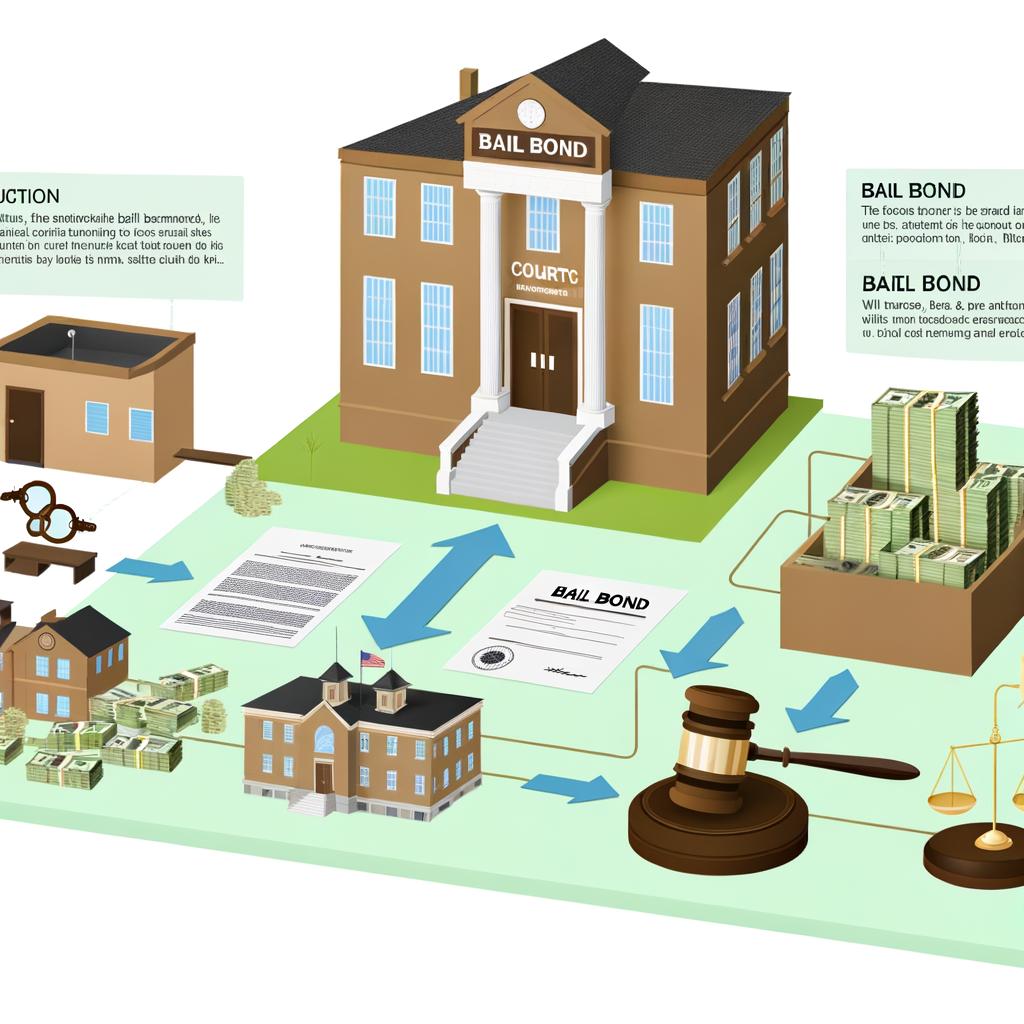
From a Bail Bonds viewpoint, pretrial guidance can be an ally. A representative that knows an offender is signing in regular, putting on a display, and sticking to counseling is more probable to create the bond. But the guidance terms also include failure factors. A missed out on appointment, a dead monitor battery, or a time limit slip can come to be an offense. Good representatives probe whether the accused can realistically handle those demands with their job timetable and transportation.
The unique focus on strangulation and firearms
Two realities often tend to alter the tone of a bond hearing: alleged strangulation and accessibility to guns. Strangulation, also without noticeable injuries, is an indicator of elevated lethality danger in domestic physical violence research study. District attorneys will often stress it, and courts commonly match with greater bond, limited GPS areas, and absolute weapon prohibitions. Some states mandate gun abandonment upon issuance of a domestic safety order. Courts can purchase instant surrender to police and call for evidence prior to release.
Bond agents readjust appropriately. A case with alleged strangulation might motivate greater security limits or a rejection unless stringent problems remain in location. If guns are in the home, the agent will want to see documented removal. Loosened guarantees do not cut it. Practical detail matters: a receipt from a sheriff's workplace, a picture stock signed off, or a declaration submitted with the court.
When alcohol or psychological health treatment enters into the bond
Judges significantly match launch with therapy, not as punishment yet as a risk‑management tool. Anger administration courses, batterers' treatment programs, compound use counseling, or psychological health and wellness therapy can come to be problems at the opening night. Courts that run domestic physical violence dockets may have favored providers and timelines. Some will certainly need evidence of registration within 72 hours of release.
Bail bond companies seek signals of follow‑through. If the offender, with a family member's aid, schedules consumption prior to the bond is uploaded and collects written confirmation, it demonstrates dependability. Agents remember that maintains pledges. On the other hand, a person who misses the first class can knock an agent's confidence in future looks. The bond might be surrendered willingly by the representative if disagreement heaps up.
Practical steps that boost approval odds
A domestic charge does not instantly ruin a bail bond application. Preparation and candor do more than sleek speeches.
- Arrange a safe, separate house and have evidence. A signed short‑term lease, a letter from a loved one, or a hotel plan spent for a week shows you can abide by no‑contact terms. Line up a solid cosigner. Choose somebody with steady revenue and a clean record who comprehends the responsibilities and will answer the phone. Gather employment confirmation. A letter from a company, recent pay stubs, and a work schedule give courts and representatives a factor to think you will certainly appear. Pre register in counseling if proper. Recording a consumption visit for substance use or rage administration minimizes risk in the eyes of the court. Surrender firearms proactively if required. Bring evidence. Do not rely on verbal assurances.
Those actions do not ensure approval, yet they tip the ranges. They likewise protect against delays. I have actually seen afternoon dockets delay for an hour while a household scrambles for a resort room to satisfy the no‑contact order, just to have the jail removed releases at dinnertime.
The cosigner's point of view and exposure
Cosigners shoulder actual danger in Bail Bonds agreements. If the court surrenders the bond because of flight or duplicated offenses, the agent will certainly look to the cosigner to cover the loss and prices of recuperation. In residential instances, the line in between helping and enabling can blur. A cosigner who is additionally a family member of the protected person may encounter a conflict of commitments. Good representatives will ask probing questions: Are you prepared to report violations? Will you call the agent if the defendant discuss getting in touch with the sufferer? Can you revoke your assistance if security is at risk?
Cosigners ought to check out the indemnity agreement line by line. Ask what occasions set off surrender, whether there are charges for reinstatement after a brief offense, and what takes place if the instance solves early. If the accused requires an alteration of problems to continue functioning or to see youngsters via a court‑approved exchange center, the cosigner can help coordinate attorneys, not assist in ad hoc exceptions.
When the court says "no" or "not yet"
Denials typically develop in three scenarios: persistent offenses of orders, serious claims with solid proof, or warnings like hazards to witnesses. In some cases the court does not deny however delays, purchasing a dangerousness hearing or needing that the supposed sufferer be alerted and heard. From a practical viewpoint, a temporary rejection can be a possibility. Defense counsel can muster housing remedies, letters of assistance, and a concrete prepare for therapy. When the instance reconvenes, the package looks even more credible.
Bail bond companies rarely override that care. If a court has significant doubts, a representative that uploads a bond ends up being the following target for examination. An experienced bail bondsman will certainly instructor the family members on constructing a conformity plan instead of chasing a prompt approval that is most likely to fail.
Edge cases that trip people up
Two patterns reoccur in residential bail issues. The initial is mutual apprehensions. Cops respond to a chaotic scene and apprehension both parties. Each gets a no‑contact order. If both are out on bond and share a youngster or a lease, they can violate without intending to. Judges do not accept complication as a protection to an offense. The cleanest course is to appoint a neutral 3rd party to manage exchanges, switch over to monitored interactions apps if the court allows, and develop physical separation.
The secondly is slow‑burn harassment. After release, straight get in touch with may stop, however a defendant "likes" social media blog posts, drives past a house, or calls a work environment "to sign in." Those activities track as contact. Even without a new criminal fee, the court can withdraw bond for disobedience. Bondsmen ask these behavioral concerns for a reason. If they sense an absence of insight regarding restrictions, they may decline.
How situation severity and charges move the calculus
Domestic cases span a spectrum. Some are offenses with little injury, submitted after a noisy debate. Others entail felony‑level conduct: broken bones, strangulation, weapons, kidnapping. The even more intense the injury, the more the court leans toward greater bond and tighter problems. Evidence stamina matters too. Video clip from a buzzer camera, a 911 call with distinct threats, or photos taken by officers stiffen prosecutorial posture.
Defense lawyers counter with context: lack of previous physical violence, mutual intoxication, instant remorse, teamwork with police, and concrete actions towards therapy. They also push versus overcharging where the claimed truths do not fit statutory elements. From a bond perspective, even when charges continue to be major, a strategy that minimizes friction factors can transform a likely rejection right into a conditional approval.
Rural versus metropolitan differences
Urban courts usually have actually developed domestic physical violence units and pretrial services with GPS ability. They process quantity, however they likewise supply organized guidance. Country courts may lack that framework, which can cut both means. Without surveillance devices, a court may set greater cash money bail to compensate for the lack of oversight. On the various other hand, smaller sized areas indicate courts understand neighborhood households and might customize conditions artistically. Bond agents in rural areas may count more on reputational expertise, work security at a recognized plant or cattle ranch, and family members ties.
The economics behind the bond decision
A common mistaken belief is that paying the premium guarantees launch. In practice, the premium purchases the representative's assessment and solution. If the representative assesses unrestrainable threat, they will decline also a full‑price offer. Residential bonds have extra concealed costs: setting up GPS, arranging SCRAM, paying for intake courses, covering short-term housing, and pause work for court and therapy. Households ought to budget beyond the costs. On a 20,000 bond with a common 10 percent premium, anticipate at the very least 2,000 ahead of time, plus several hundred for monitoring and a week or more of living expenditures in a brand-new area if the defendant should move.
Delays additionally cost money. If the prison can not refine a screen installation after 5 p.m., the launch may move a day. Planning in advance with a surveillance vendor, when permitted, lowers idle time. Representatives that run near the jail typically recognize the scheduling traits and can advise exactly when to upload to line up with intake hours.
Communication is the quiet superpower
Judges, district attorneys, pretrial police officers, and Bail Bonds agents all react better to verifiable information than to assurances. If you say you can deal with your cousin, bring their lease and a letter with a contact number. If you accept no call, eliminate the other individual from shared phone plans and shared accounts to minimize unintended pings. If https://los-angeles-90662.iamarrows.com/common-bond-bond-problems-and-exactly-how-to-conform you work a graveyard shift and have a curfew, get a published schedule and ask the court for a specific exemption. Each documented action lowers rubbing and cultivates trust.
From the agent's side, clear updates can stop abandonment. If a defendant misses a class due to a family members emergency, the cosigner must call the representative the exact same day, reschedule, and get a verification. Agents are even more patient with clients that maintain them informed, due to the fact that interaction signals a lower threat of absconding.
When a bond need to not be approved
There are instances where the best decision is to keep bond. If the testimony describes intensifying violence, threats to eliminate, prior strangulation, accessibility to weapons, and recent safety order violations, no mix of problems will certainly minimize danger to a bearable level. The very same uses when the offender shows open ridicule for court authority, mocks orders, or attempts to intimidate witnesses from the prison phone. Accountable agents state no in those circumstances, also when a hopeless family members offers enough security. Public security and business solvency align at that point.
Defense attorneys sometimes welcome that fact briefly, redirecting initiative towards acquiring a later release after a duration of stablizing and showed interaction with treatment. Timing issues in domestic situations. A trustworthy strategy after 2 week of sobriety and therapy looks very various from frenzied guarantees on day one.
The long tail: maintaining the bond intact through the case
Approval is not the goal. Residential instances frequently take months to solve. Preserving compliance needs systems. Set alarms for check‑ins and court dates. Maintain a duplicate of the protective order in your wallet to avoid guesswork when you pass near the secured individual's workplace. If an unavoidable call occurs in a village grocery store, file that you left promptly and notify your attorney. Update your address with the court and the bail bondsman within 1 day of any kind of relocation. Little gaps waterfall; tiny disciplines prevent those cascades.
The reward is actual. Offenders that appear at every hearing, complete counseling, and steer clear of from the protected individual often see costs minimized, postponed, or dismissed, depending upon realities and jurisdiction. From the bond company's angle, that is a low‑stress data with a tidy closure. Everyone advantages when the launch strategy matches the risk.
Final ideas for family members and defendants
Domestic cases ask the system to string a needle: maintain liberty while preventing brand-new harm. That clarifies the extra examination on bond approvals and the layered problems that comply with. The course onward is less concerning rhetoric and more about logistics. Stable real estate different from the safeguarded individual, trusted cosigners, very early involvement with therapy, positive surrender of guns, and constant communication do more to open a bond than any type of emotional plea.

For those navigating this for the very first time, lean on professionals that live in this world: defense attorney who recognize the regional court's choices, pretrial police officers that can describe tracking, and Bail Bonds representatives who will certainly inform you openly what will certainly and will not work. The residential label elevates bench. Satisfying it is possible, however it demands preparation, sincerity, and respect for the limits the court sets.
ABBA Bail Bonds 900 Avila St STE 101 Los Angeles, CA 90012 (213) 296-0901 https://abbabailbonds.com